Pandan Coconut Milk Bread with Tangzhang Roux Recipe
Introduction
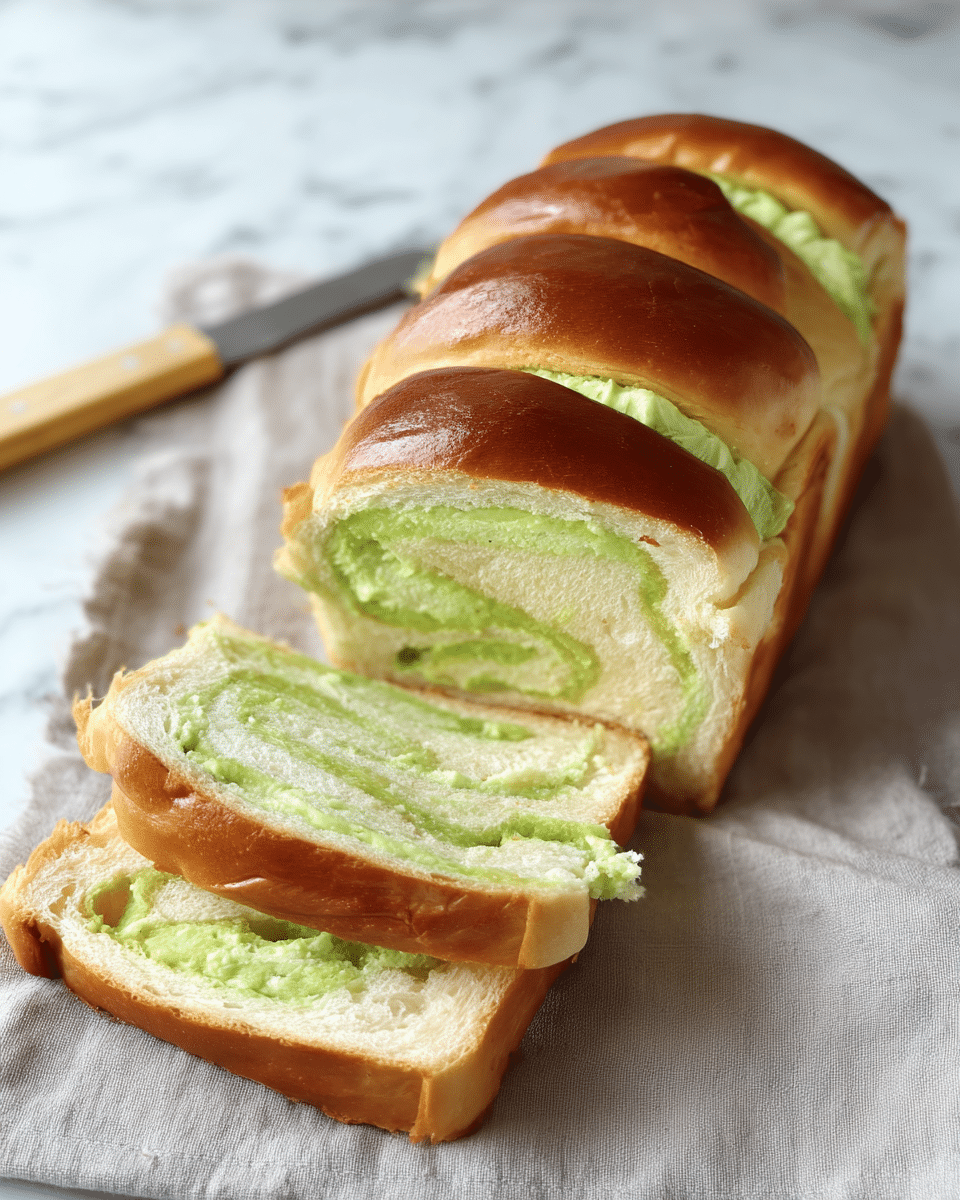
Pandan Coconut Hokkaido Milk Bread is a soft, fluffy loaf infused with fragrant pandan and a sweet coconut filling. This bread combines the richness of Hokkaido milk bread with the tropical flavors of pandan and coconut, making it a delightful treat for any occasion.
Ingredients
- Tangzhang Roux: 1/3 cup (90 grams) whole milk, 3 tablespoons + 1 teaspoon (18 grams) bread flour
- Pandan Filling: 6 tablespoons (90 grams) sweetened shredded coconut, 5 tablespoons (60 grams) granulated sugar, 3 tablespoons unsalted butter (room temperature, cut into small pieces), 1 + 1/2 tablespoon instant nonfat milk, 3/4 teaspoon whole milk, 1/8 teaspoon pandan extract, pinch of salt
- Dough: 3/4 cup + 1 tablespoon (149 grams) whole milk, 2 3/4 cups (343 grams) bread flour, 1 large egg (room temperature), 1 packet (2 1/4 teaspoons) active dry yeast, 2 tablespoons (25 grams) sugar, 3 tablespoons unsalted butter (room temperature, cut into small pieces), 1 teaspoon salt
- 1 large egg, lightly beaten (for egg wash), pinch of salt
Instructions
- Step 1: Make the tangzhang roux by whisking milk and bread flour together in a small saucepan. Heat over low heat, whisking continuously until the mixture thickens to a pudding-like consistency at about 149°F (65°C), approximately three minutes. Transfer to a bowl, cover with plastic wrap, and let cool to room temperature, about an hour.
- Step 2: Warm the milk to 100°–110°F (38°–43°C) in a microwave-safe bowl. Stir in the yeast and a pinch of sugar. Let stand at room temperature until yeast is bubbly and active, about 10 minutes.
- Step 3: In a stand mixer bowl, whisk together bread flour, salt, and the remaining sugar. Add the yeast mixture, egg, and cooled tangzhang. Using the dough hook, mix on medium-low speed until combined. After five minutes, scrape down the bowl with a spatula.
- Step 4: Turn the mixer to low and add the butter pieces one at a time. Once all butter is incorporated, scrape the bowl again and knead on medium speed for 6-8 minutes, until dough is cohesive, shiny, and passes the windowpane test with floured fingertips.
- Step 5: Turn the dough onto a lightly floured surface, knead into a ball, and place in a greased bowl. Cover with plastic wrap and let rise in a warm spot until doubled in size, about 1 to 1 1/2 hours.
- Step 6: Meanwhile, prepare pandan filling by mixing unsalted butter in a medium bowl until softened and lightened. Add shredded coconut, sugar, instant nonfat milk, whole milk, pandan extract, and a pinch of salt. Mix well until the filling is evenly colored and cohesive. Cover and set aside.
- Step 7: Lightly grease an 8″ x 5″ loaf pan. Punch down the risen dough and divide into three equal balls. Roll each ball into a rectangle about 7″ x 12″ with the short edge parallel to the counter.
- Step 8: Spread one-third of the pandan filling in a thin layer over the middle four inches of each rectangle. Fold the sides over the filling, pinch the seams, then roll into a cylinder. Place each cylinder seam-side down into the prepared loaf pan.
- Step 9: Cover the pan loosely with plastic wrap and let the dough rise until it reaches the top of the pan, about 30 minutes to 1 hour.
- Step 10: Preheat the oven to 350°F (175°C). Beat the remaining egg with a pinch of salt and brush lightly over the bread’s surface.
- Step 11: Bake for 30-35 minutes until golden brown. If the bread browns too fast, tent with aluminum foil and continue baking until the internal temperature reaches 200°F (93°C).
- Step 12: Let the bread cool in the pan for 5 minutes, then transfer to a wire rack to cool completely before slicing.
Tips & Variations
- Use room temperature ingredients to help activate the yeast and ensure even mixing.
- The pandan extract can be adjusted to taste—add a little more for a stronger aroma or less if you prefer subtle flavor.
- Try substituting sweetened shredded coconut with unsweetened for a less sweet filling, adjusting sugar accordingly.
- If you don’t have bread flour, all-purpose flour can be used but may yield a slightly less fluffy texture.
Storage
Store the bread in an airtight container or tightly wrapped in plastic at room temperature for up to 3 days. For longer storage, freeze sliced bread in a zip-top bag for up to 1 month. Thaw at room temperature and warm slices lightly in a toaster or oven before serving.
How to Serve
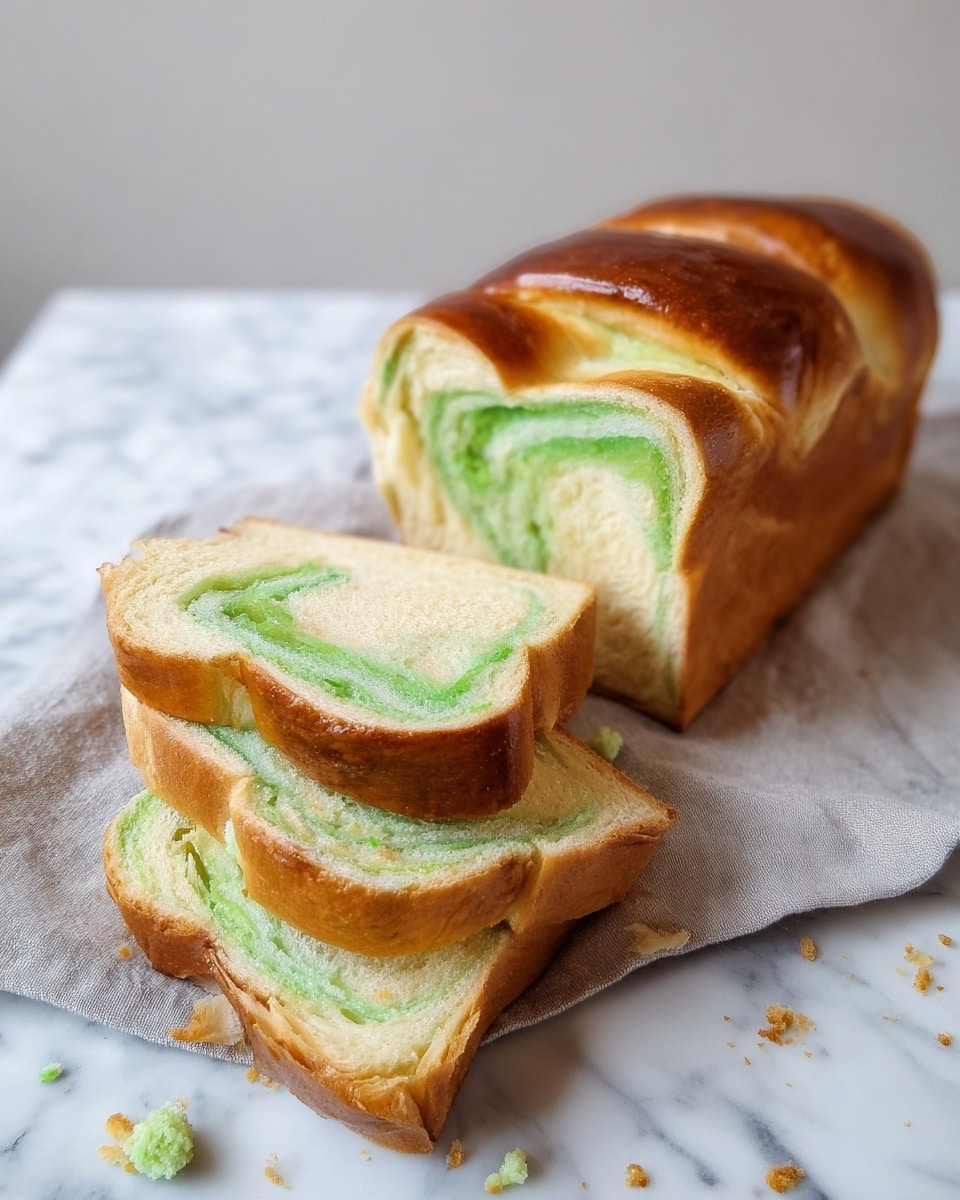
Serve this delicious recipe with your favorite sides.
FAQs
Can I use fresh pandan leaves instead of pandan extract?
Yes, you can make pandan juice by blending fresh pandan leaves with a small amount of water and straining. Use about 1 tablespoon of pandan juice to replace 1/8 teaspoon pandan extract, adjusting to taste.
What is the windowpane test in bread making?
The windowpane test checks gluten development. Stretch a small piece of dough thinly between your fingers; if it stretches without tearing and you can see light through it like a windowpane, the gluten is well-developed and dough is ready for the next step.
PrintPandan Coconut Milk Bread with Tangzhang Roux Recipe

Pandan Coconut Hokkaido Milk Bread is a soft, fluffy, and slightly sweet bread enriched with a luscious pandan-flavored coconut filling. This recipe combines the classic Japanese Hokkaido milk bread technique with fragrant pandan and shredded coconut for a uniquely aromatic and tender loaf perfect for breakfast or snacks.
- Prep Time: 2 hours 15 minutes
- Cook Time: 35 minutes
- Total Time: 2 hours 50 minutes
- Yield: 1 loaf (8″ x 5″) 1x
- Category: Bread
- Method: Baking
- Cuisine: Japanese
- Diet: Vegetarian
Ingredients
Tangzhong Roux
- 1/3 cup (90 grams) whole milk
- 3 tablespoons + 1 teaspoon (18 grams) bread flour
Pandan Filling
- 6 tablespoons (90 grams) sweetened shredded coconut
- 5 tablespoons (60 grams) granulated sugar
- 3 tablespoons unsalted butter, room temperature, cut into small pieces
- 1 + 1/2 tablespoon instant nonfat milk
- 3/4 teaspoon whole milk
- 1/8 teaspoon pandan extract
- Pinch of salt
Dough
- 3/4 cup + 1 tablespoon (149 grams) whole milk
- 2 3/4 cups (343 grams) bread flour
- 1 large egg, room temperature
- 1 packet (2 1/4 teaspoon) active dry yeast
- 2 tablespoons (25 grams) sugar
- 3 tablespoons unsalted butter, room temperature, cut into small pieces
- 1 teaspoon salt
For Egg Wash
- 1 large egg, lightly beaten
- Pinch of salt
Instructions
- Make Tangzhong Roux: Whisk milk and bread flour together in a small saucepan. Heat over low heat, whisking continuously until the mixture thickens to a pudding-like consistency and reaches 149°F (about 3 minutes). Transfer to a bowl, cover with plastic wrap, and let cool to room temperature (about 1 hour).
- Activate Yeast: Warm the milk to 100°-110°F in a microwave-safe bowl. Stir in active dry yeast and a pinch of the sugar. Let it stand at room temperature until the yeast is foamy and active, about 10 minutes.
- Prepare Dough: In a stand mixer bowl, whisk together bread flour, salt, and remaining sugar. Add yeast mixture, egg, and cooled tangzhong roux. Mix with a dough hook on medium-low speed until incorporated; dough will be sticky. After 5 minutes, scrape down the bowl.
- Add Butter and Knead: Lower the mixer speed and add butter piece by piece. Scrape dough again. Increase speed to medium and knead for 6–8 minutes until dough is smooth, shiny, and passes the windowpane test.
- First Proof: Turn dough onto a lightly floured surface, shape into a ball, and place in a greased bowl. Cover with plastic wrap and let rise in a warm area until doubled, about 1 to 1 1/2 hours.
- Make Pandan Filling: In a medium bowl, beat butter until softened and light. Add shredded coconut, sugar, milk powder, whole milk, pandan extract, and salt. Mix until evenly combined and filling is cohesive. Cover and set aside.
- Shape Bread: Grease an 8″ x 5″ loaf pan. Turn dough onto a floured surface, punch it down, and divide into three equal balls. Roll each ball into a 7″ x 12″ rectangle. Spread one-third of pandan filling in a 4-inch strip in the center. Fold sides over filling, pinch to seal, roll into a cylinder, and place seam side down in the pan. Repeat for remaining balls.
- Second Proof: Cover the pan loosely with plastic wrap. Let dough rise until it reaches the top of the pan, about 30 minutes to 1 hour.
- Preheat Oven & Egg Wash: Preheat oven to 350°F. Beat the remaining egg with a pinch of salt and brush the top of the dough gently.
- Bake: Bake for 30–35 minutes until golden brown. If browning too quickly, tent with foil. The internal temperature should reach 200°F. Let the bread cool for 5 minutes in the pan, then transfer to a wire rack to cool completely.
Notes
- The tangzhong roux gives the bread its ultra-soft texture and keeps it fresh longer.
- Kneading thoroughly and passing the windowpane test ensures a good gluten network for a fluffy crumb.
- Use fresh yeast and warm milk to activate the yeast properly.
- If pandan extract is unavailable, pandan juice or paste can be used as a substitute.
- Allow the bread to cool completely before slicing to get clean slices.
- Covering the bread during baking prevents over-browning.
Keywords: Pandan bread, Hokkaido milk bread, Coconut bread, Soft bread, Asian bread, Sweet bread